

Drainage

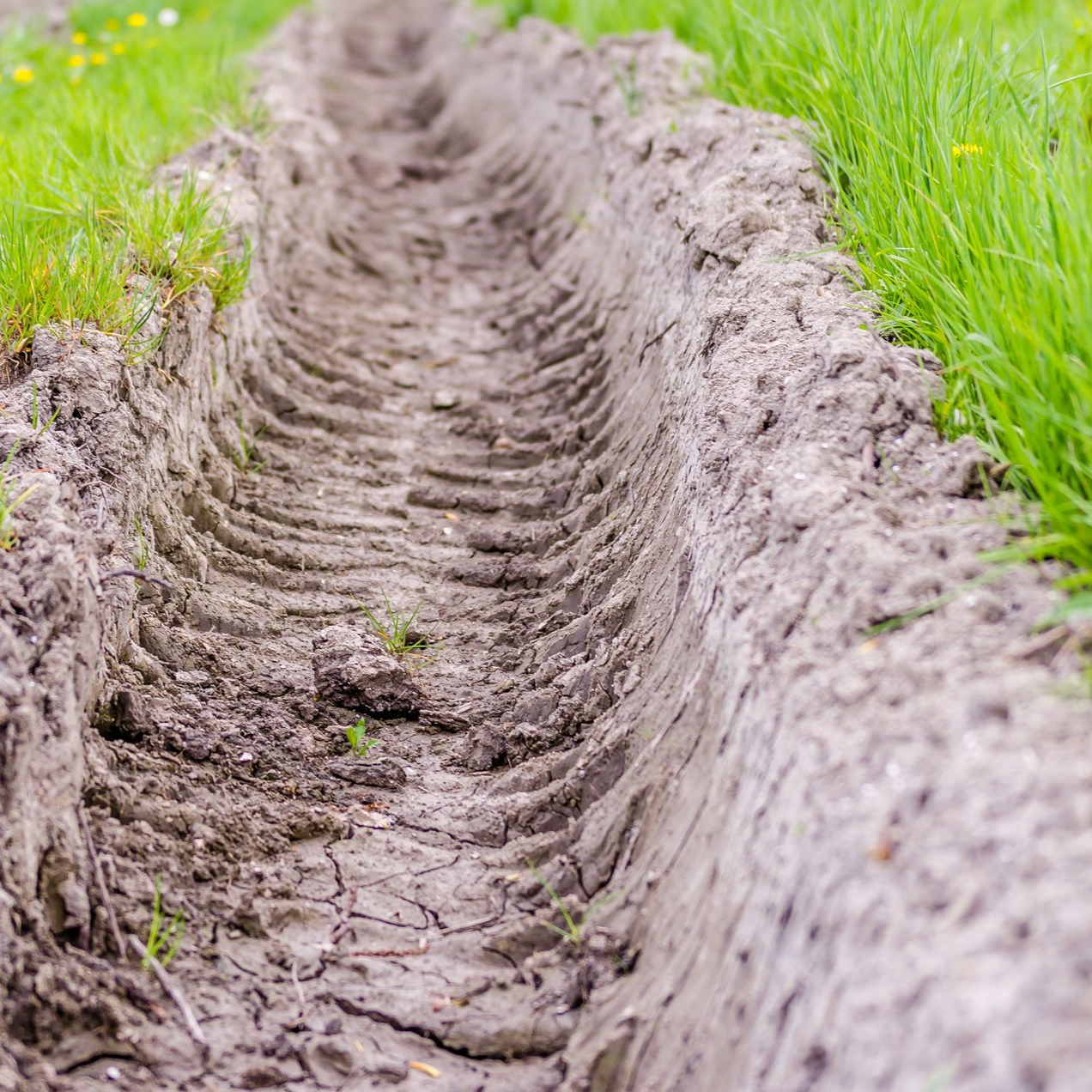
Water Problems That Don't Fix Themselves
Drainage in Powell for properties with standing water, erosion damage, or foundation exposure risks
Liberty Outdoor Design handles drainage solutions in Powell, Dublin, Upper Arlington, Lewis Center, Delaware, and Plain City for properties where water pools after rain, soil washes away along slopes, or moisture collects near foundation walls. Grading improvements and water management installations redirect runoff before it saturates soil, undercuts hardscaping, or creates low spots that hold water for days. Property layout, existing slope direction, and how storm events move across your site determine which combination of surface grading, subsurface channels, or catch basin placement will keep water moving away from structures and plantings.
Standing water after moderate rainfall signals that your property's natural drainage cannot handle the volume or that grading has settled unevenly over time. Without intervention, repeated saturation kills plant roots, destabilizes pavers, and puts hydrostatic pressure against foundation walls. Drainage work reroutes that water to lower areas, storm systems, or absorption zones designed to handle the flow without creating new problems elsewhere on your property.
Schedule a property evaluation to identify specific drainage concerns and review grading options that match your site conditions.
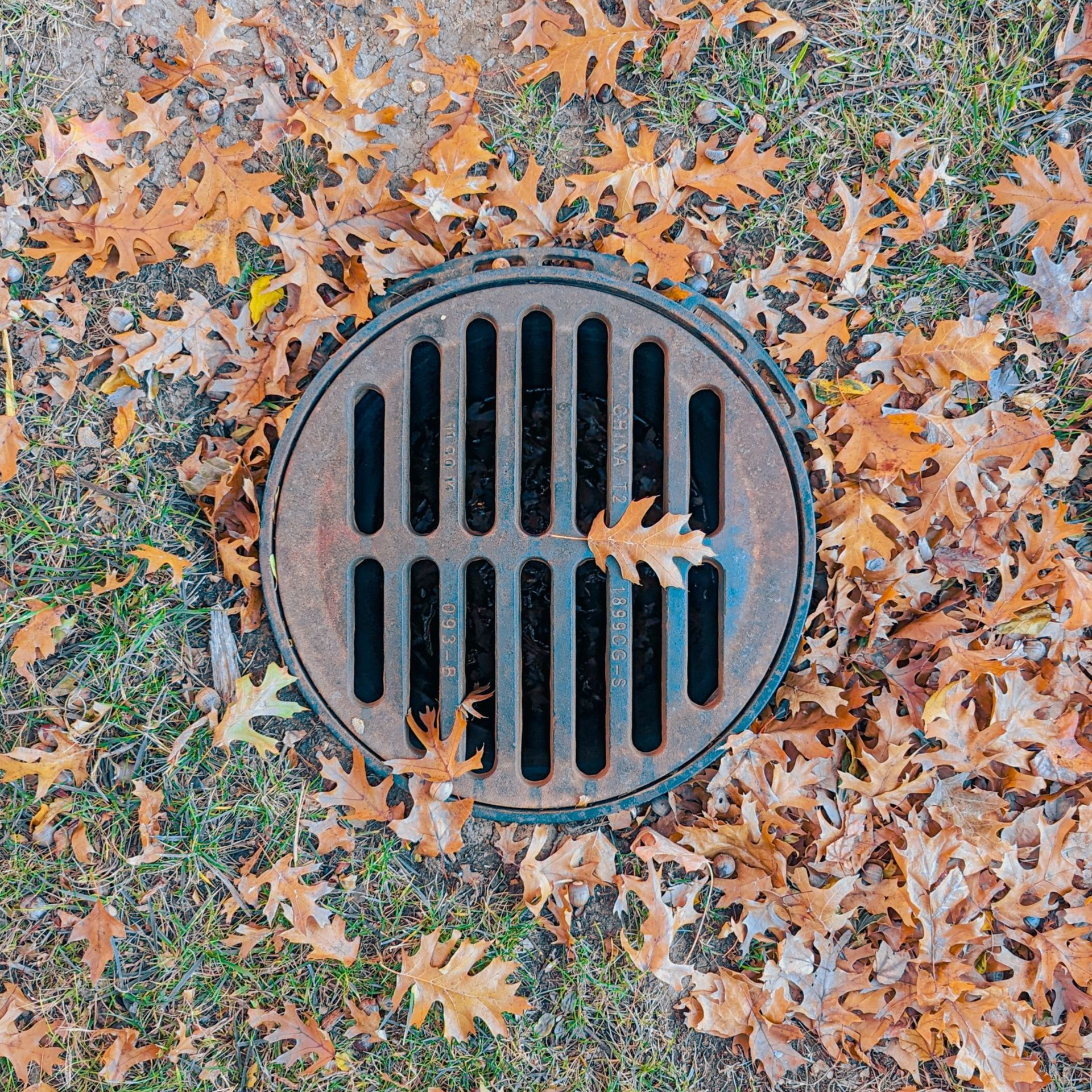
What Proper Drainage Requires
Effective drainage starts with analyzing how water currently moves across your property during rain events and where it stalls or redirects incorrectly. Grading adjustments reshape the soil surface to create positive slope away from foundations and hardscaping, typically requiring a minimum one percent grade to maintain consistent flow without erosion. In areas where surface grading alone cannot solve the problem, subsurface drainage channels collect and redirect water below ground before it reaches vulnerable areas.
Once drainage work is finished, you will see water moving off driveways and walkways within minutes instead of pooling for hours, soil staying firm along slope edges instead of washing into mulch beds, and foundation perimeters remaining dry after storms instead of showing moisture stains. Grass and plantings in previously saturated zones begin to recover as root systems access oxygen instead of sitting in standing water.
Drainage projects also account for where the redirected water ultimately goes, whether to existing storm systems, natural swales, or designed retention areas that absorb runoff without overwhelming neighboring properties. The goal is a system that handles typical rainfall and heavier storm events without requiring ongoing adjustments or creating erosion in the new discharge zones.
What Property Owners Usually Ask
Drainage concerns vary depending on soil composition, slope, and how existing landscaping interacts with stormwater, so property owners in Powell and surrounding areas often have specific questions before starting work.
What causes water to pool in the same spots after every rain?
Soil compaction, inadequate slope, or depressions created during construction or settling create low points where water collects instead of draining. Grading corrects the surface plane, and subsurface channels address water that cannot be redirected through slope alone.
How does grading differ from installing drainage systems?
Grading reshapes the soil surface to direct water flow using gravity and slope, while drainage systems use pipes, channels, or catch basins to collect and transport water below ground. Many projects use both methods depending on site conditions and the severity of the drainage issue.
When should drainage work be scheduled?
Drainage installations can occur year-round, but scheduling before spring thaw or fall rainy seasons allows the system to be tested and adjusted during peak runoff periods. Addressing drainage problems before they cause structural damage or landscape loss prevents more expensive repairs later.
What happens to water once it leaves the problem area?
Redirected water typically flows to storm drains, natural drainage swales, or designed retention areas where it absorbs safely without causing erosion or flooding. The discharge point is part of the initial site evaluation to verify the solution does not shift the problem to another vulnerable area.
How long does drainage improvement last?
Properly installed grading and drainage systems function for decades as long as soil is not redistributed and the discharge points remain clear. Periodic inspection of catch basins and channel inlets prevents debris buildup that could reduce flow capacity over time.
Liberty Outdoor Design customizes drainage recommendations based on your property's specific water movement patterns and existing landscape features. Arrange an on-site consultation to review grading improvements and water management solutions that protect your foundation, hardscaping, and plantings from ongoing moisture damage.