

Patios and Hardscaping

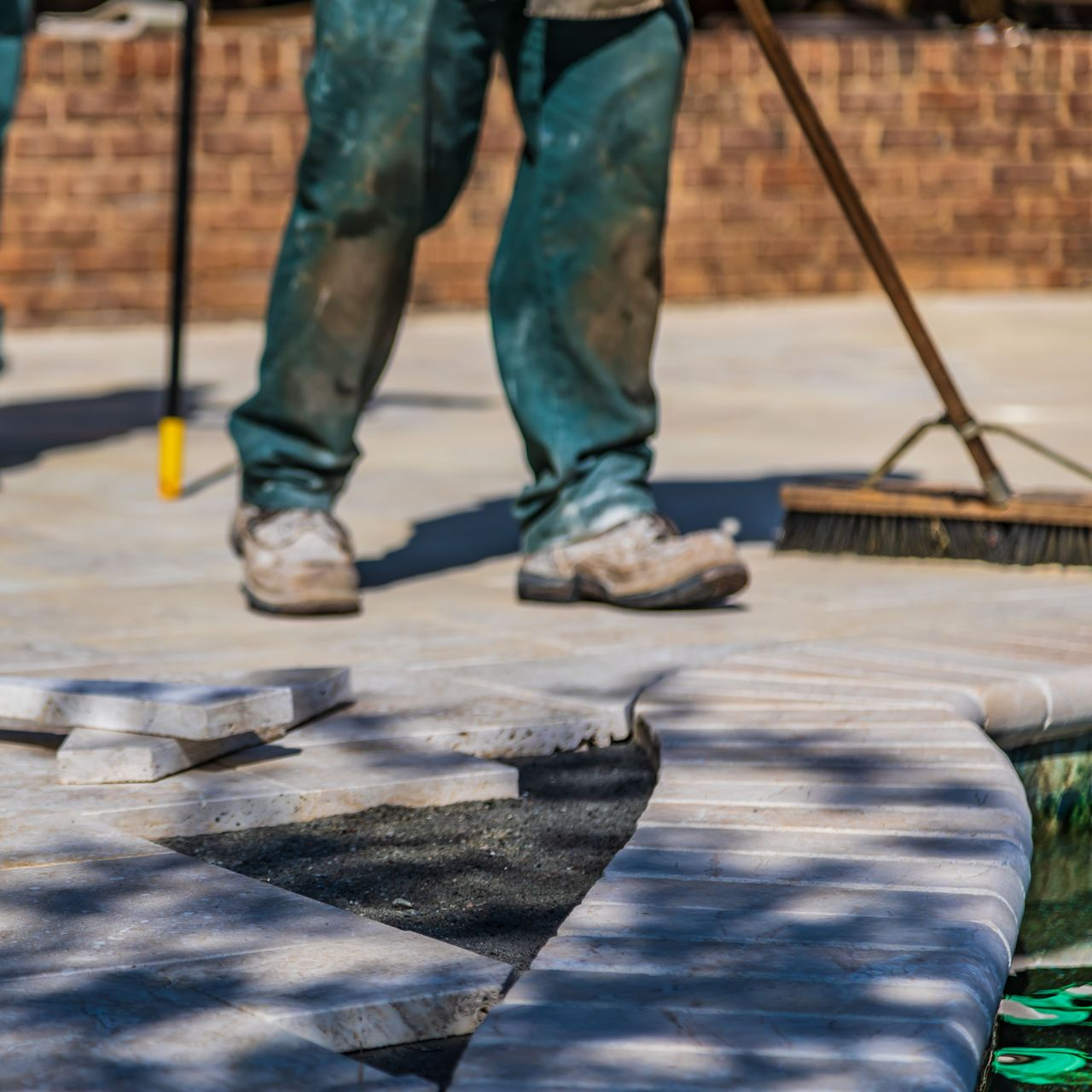
Hardscape Built for Decades of Outdoor Use
Patios and Hardscaping in Powell for properties needing durable outdoor surfaces that handle entertaining, weather exposure, and constant foot traffic
Paver patios shift and settle when base preparation is inadequate, creating uneven surfaces and drainage problems within a few seasons. Liberty Outdoor Design installs hardscape features with excavation depths and base compaction methods designed to prevent that movement, even through Ohio's freeze-thaw cycles that can heave improperly installed surfaces. The installation process addresses soil conditions, slope requirements for water runoff, and how the hardscape will connect to existing landscape beds and structures.
Hardscaping projects include patios, walkways, retaining walls, and custom outdoor features like fire pit surrounds or seat walls. Each element requires precise grading to move water away from foundations and prevent pooling on walking surfaces. Base layers are compacted in lifts, edge restraints are anchored to prevent paver creep, and joint sand is selected based on whether you want polymeric stabilization or traditional sand that allows for easier individual paver replacement. These installation details determine whether the hardscape remains level and functional or requires resetting within a few years.
Arrange a site visit to evaluate grading conditions and discuss hardscape layout options for your outdoor space.
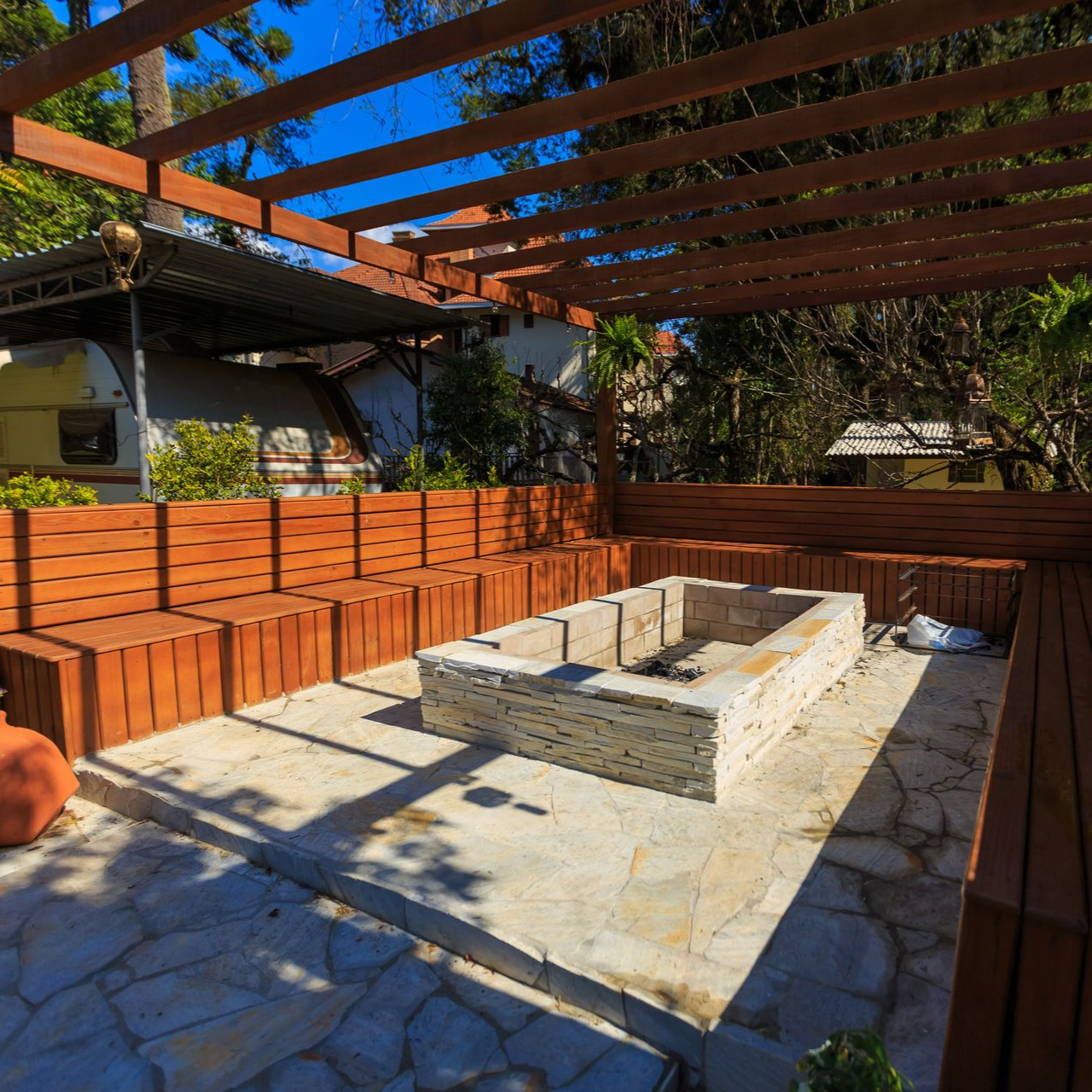
How Proper Hardscape Installation Prevents Common Failures
The installation begins with excavation to remove organic soil and reach stable subgrade, typically eight to twelve inches deep depending on soil type and intended use. Crushed limestone base is placed in layers and compacted with a plate compactor to ninety-five percent density, creating a stable platform that resists settling. Edge restraints are spiked into the base along all borders to prevent lateral paver movement, and bedding sand is screeded level before pavers are laid in the specified pattern.
After installation, you'll notice the patio surface remains level without low spots where water collects, pavers stay locked in place without shifting under furniture or foot traffic, and the edges maintain clean lines without spreading or sinking. Retaining walls are backfilled with drainage stone and include weep holes or drainage pipe to prevent hydrostatic pressure buildup that causes wall failure. The finished hardscape integrates visually with surrounding plantings and lawn areas, with smooth transitions at all borders.
Hardscape projects are customized to fit entertaining needs, whether that means a small seating area with fire pit access or an expansive patio that accommodates outdoor kitchens and dining zones. Material selection affects both appearance and longevity—tumbled pavers offer an aged look with slightly irregular surfaces, while smooth-top pavers provide uniform footing and easier furniture placement. Liberty Outdoor Design helps evaluate which options suit your outdoor living goals and site conditions.
Answers to Frequent Hardscape Questions
Homeowners often ask about installation methods and what separates durable hardscape from projects that fail prematurely due to improper base work or drainage planning
What causes paver patios to settle unevenly over time?
Insufficient base depth, inadequate compaction, or poor drainage allows water to erode base material or creates voids beneath the surface, leading to sunken areas that require resetting the affected pavers and rebuilding the base.
How is drainage managed in hardscape installations?
Surfaces are sloped at a minimum two percent grade to direct water away from structures, and permeable joints between pavers allow some water infiltration, though base layers include compacted stone that channels subsurface water toward designed drainage outlets.
When is a retaining wall necessary for a patio installation?
Walls are required when the patio location involves grade changes that exceed the stable angle of repose for your soil type, typically when creating level outdoor space on a sloped property or when raising patio elevation above existing lawn areas.
What maintenance do paver patios require in Powell?
Annual joint sand replenishment after spring thaw prevents weed growth and maintains paver interlock, and periodic sealing protects against staining and color fading, though unsealed pavers weather naturally and can be cleaned with pressure washing when needed.
How do hardscape features integrate with landscape plantings?
Bed edges are installed along hardscape borders to create clean transitions, and planting bed layouts are designed around patio footprints so mature plantings frame outdoor living spaces without encroaching on usable surface area.
Liberty Outdoor Design handles custom hardscape projects with attention to installation details that affect long-term performance and visual appeal. Schedule a consultation to discuss material options and layout plans tailored to your property and outdoor living preferences.