

Mulching

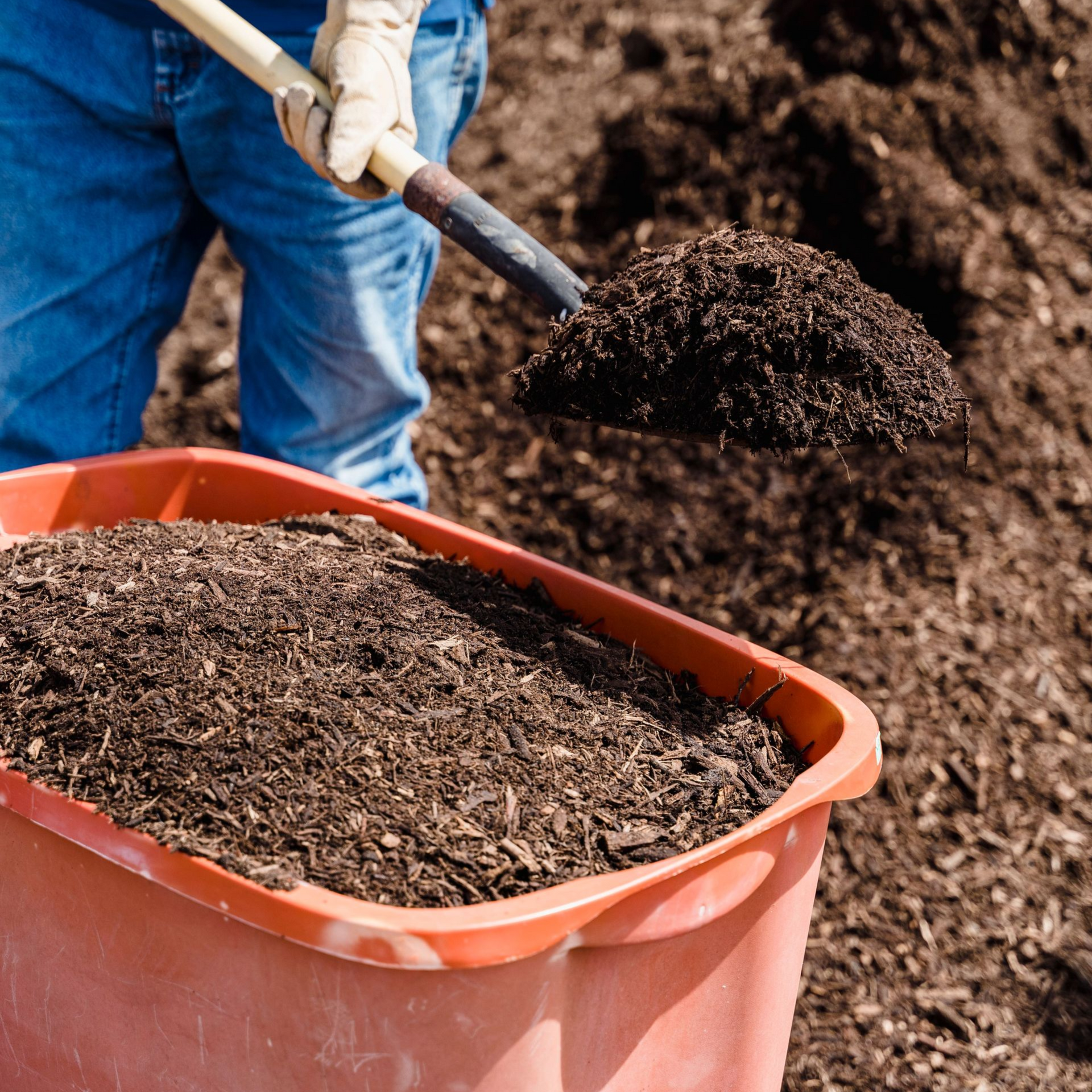
Beds That Stay Defined All Season
Mulching in Powell for landscape beds needing fresh coverage that reduces maintenance and supports plant health
Faded mulch and exposed soil create an unkempt appearance that undermines the rest of your landscape, even when plantings are healthy and turf is well-maintained. Professional mulch installation refreshes bed appearance while providing functional benefits like moisture retention, soil temperature regulation, and weed suppression that reduces the time you spend managing plantings. Liberty Outdoor Design handles mulching services with bed preparation, clean edging, and finishing work that produces the polished look expected in maintained landscapes.
The mulching process involves more than spreading material—beds are edged to redefine borders that have softened over time, existing mulch is redistributed to fill low spots, and weeds are removed before new mulch is applied so they don't grow through fresh coverage. Mulch depth matters for effectiveness: too thin and weeds break through within weeks, too thick and moisture can't reach plant roots or mulch piles against stems and causes rot. Proper application maintains two to three inches of coverage that suppresses weed germination while allowing water and air to reach the soil.
Request a mulching estimate to refresh landscape beds and improve overall property appearance.
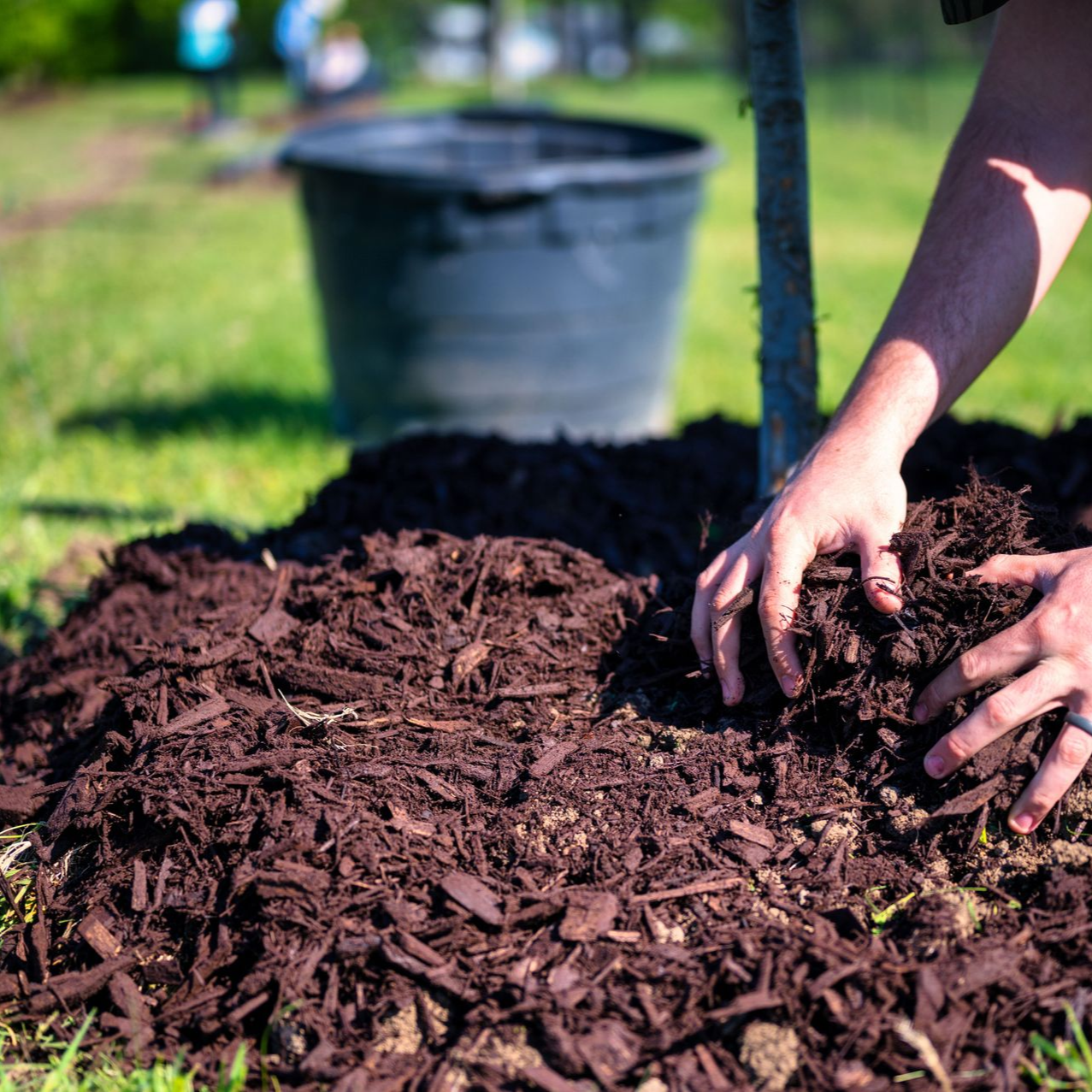
What Mulching Actually Accomplishes
Bed preparation begins with edging along turf borders and hardscape transitions using a mechanical edger or bed edging tool to create a clean vertical line that defines where mulch ends and other surfaces begin. Weeds are pulled by hand or treated with targeted herbicide, and old mulch is either removed if it has decomposed into compacted layers or redistributed if it still provides structure. Fresh mulch is applied evenly across beds, pulled back slightly from plant stems to prevent moisture contact that leads to crown rot or bark damage.
After mulching is complete, you'll notice beds have uniform color and texture, borders are sharply defined without mulch spilling onto turf or walkways, and plantings appear more prominent against the consistent background. Mulch coverage reduces watering frequency by slowing evaporation from soil surfaces, moderates soil temperature swings that stress plant roots during summer heat, and breaks down gradually to add organic matter that improves soil structure. The finished appearance signals that the property is actively maintained.
Mulch selection affects both appearance and decomposition rate—shredded hardwood mulch knits together to resist washing on slopes, double-shredded mulch breaks down more slowly and holds color longer, and natural cedar mulch offers insect-repellent properties but fades faster than dyed products. Seasonal mulching services are typically scheduled in spring to prepare beds for the growing season or in fall to protect plant roots heading into winter. Liberty Outdoor Design includes mulching as part of complete landscape maintenance services, ensuring beds are refreshed on a schedule that maintains consistent appearance year-round.
What Property Owners Usually Ask
Mulching questions often focus on material selection, application depth, and how often beds need refreshing to maintain appearance and function.
What type of mulch works best for Powell landscapes?
Shredded hardwood mulch is widely used for its balance of cost, appearance, and decomposition rate, while dyed mulches maintain color longer under full sun exposure common in open landscape beds.
How often should mulch be refreshed?
Annual mulching in spring restores appearance and coverage as existing mulch decomposes and settles, though high-visibility areas or beds with aggressive weed pressure may benefit from additional fall applications to maintain weed suppression.
What depth of mulch is applied during installation?
Two to three inches of fresh mulch provides effective weed suppression and moisture retention without smothering plant roots or creating conditions where mulch stays too wet and promotes fungal growth.
How is bed edging handled during mulching service?
Edges are recut to restore clean borders that have eroded or shifted, creating defined lines that separate mulched beds from turf areas and preventing grass encroachment that blurs bed borders over time.
What preparation is needed before mulch is applied?
Weeds are removed, existing mulch is redistributed to eliminate bare spots or piles against plant stems, and debris like fallen branches or leaf accumulation is cleared so fresh mulch sits on prepared bed surfaces.
Liberty Outdoor Design provides professional mulch installation with attention to bed preparation and clean finishing that creates polished landscape appearance. Schedule a service appointment to refresh beds and maintain the detailed look expected from maintained properties.